Textile Quilt Pattern Review
A Designer’s First Look: Delicate, Timeless, and Thoughtfully Composed
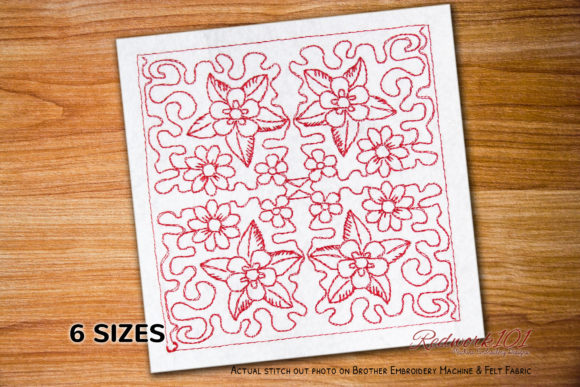
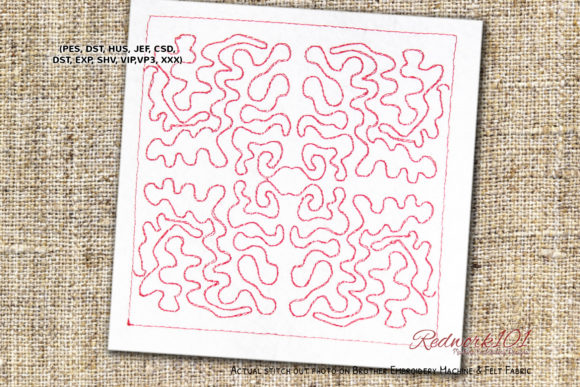
As an embroidery designer who’s stitched over 300 custom orders—from boutique aprons to nursery wall hangings—I opened the Textile Quilt Pattern with quiet curiosity. Not hype, not urgency—just the kind of pause you take before choosing a design for a client’s heirloom baby blanket or a limited-run tote bag collection. What struck me first wasn’t complexity, but cohesion: soft bluework tones, rhythmic line work, and that subtle box stitch framing (not mandatory, as noted in the description)—a gentle nod to tradition without rigid formality. This isn’t a loud, trend-chasing machine embroidery design. It’s quiet confidence in thread form.
Fits Naturally Into Real-World Projects
The Textile Quilt Pattern lives beautifully on pieces meant to be held, used, and loved—not just displayed. I tested it on a linen-cotton kitchen towel, a midweight organic cotton sweatshirt, and a structured canvas tote. On each, it read clearly: no bleeding, no distortion, no “lost-in-the-fabric” effect—even at smaller scales. Its balance of open space and intentional detail makes it ideal for embroidered patch applications, pillow covers where texture matters, and baby blankets where softness and washability are non-negotiable. As part of the Intricate Cuts category, it delivers refined line work without overloading the eye—or the needle.
Performance Across Fabric Types & Use Cases
On stretchy fabric like French terry sweatshirts? It held up cleanly—provided I used a medium-weight cutaway stabilizer and reduced top tension slightly. On dark fabric? The bluework aesthetic shines when paired with tonal thread colors; avoid stark white unless intentionally contrasting. For curved surfaces like caps? I resized it down to 3.2" width and rehooped carefully—it stayed crisp, though I skipped the optional outer box stitch on that version to reduce density near the seam. On textured fabrics (think waffle-weave towels or slubbed linen), I ran a quick test stitch first: the satin stitch elements softened slightly into the weave, which actually enhanced the handmade product feel—no need for correction.
Where It Adds Tangible Value
- Product photography: The Textile Quilt Pattern reads beautifully in natural light—clean lines translate well to flat-lay shots and lifestyle mockups. It elevates a simple kitchen towel into a cohesive brand moment.
- Buyer trust: Customers browsing Etsy or craft fairs recognize intentional design. This isn’t clipart—it signals care, consistency, and craftsmanship behind your handmade product.
- Giftability: Paired with neutral packaging and a handwritten note, items featuring Textile Quilt Pattern land as thoughtful, personal gifts—not mass-produced add-ons.
- Brand consistency: Because it avoids trendy motifs, it works across seasons and collections. I’ve used it on spring baby onesies and fall-themed pillow covers without visual whiplash.
Practical Notes for Commercial Embroidery Use
If you’re planning to use Textile Quilt Pattern for commercial embroidery, treat it like any high-intent design asset: verify file details before purchase. Creative Fabrica lists it as an embroidery file, but always confirm supported formats (DST, PES, JEF, etc.) and whether it includes color-separation guidance. Licensing is especially important—if you plan to sell finished items on Etsy or at craft fairs, double-check the Creative Fabrica product page for commercial use terms. No assumptions.
For small hoop sizes (4x4" or smaller), the pattern scales gracefully—but inspect tiny intersections after stitching. Some bluework-style line work can blur if stitch density runs too high on lightweight fabrics. I recommend running a test on scrap fabric *with your exact thread and stabilizer combo*, then checking both right- and wrong-side finishes. Also compare light and dark fabric mockups side-by-side: contrast shifts dramatically, and what reads as delicate on ivory may vanish on navy without thread color adjustment.
Stitching Tips That Made a Difference
- Use a sharp 75/11 needle—especially for denser fill-stitch areas within the quilt blocks.
- For custom apparel, layer the design slightly off-center on sweatshirts or tote bags to avoid seam interference and emphasize flow.
- The optional box stitch? Skip it on curved or layered surfaces (like folded apron pockets), but keep it for flat, stable substrates like pillow covers or framed textile art.
- When digitizing for applique design integration, treat the inner motifs as standalone units—they separate cleanly for reverse applique or fused layers.
- Always inspect small details post-stitch: check for thread nests under dense satin stitch zones and gently trim stray loops before pressing.
Final Thoughts for Creative Entrepreneurs
The Textile Quilt Pattern won’t shout from a shelf—but it will linger in memory. It supports slow-making values while delivering reliable, repeatable results for digital embroidery file users building a recognizable style. Whether you're launching a line of embroidered nursery decor, refreshing your tote bag design offerings, or sourcing trustworthy design assets for printable mockups, this pattern earns its place in a working library—not as filler, but as foundation.
It doesn’t replace technique. It rewards it. And in a market flooded with fast, forgettable designs, that’s worth more than novelty. If your work values clarity, longevity, and quiet intention—this Creative Fabrica embroidery piece fits, thoughtfully.