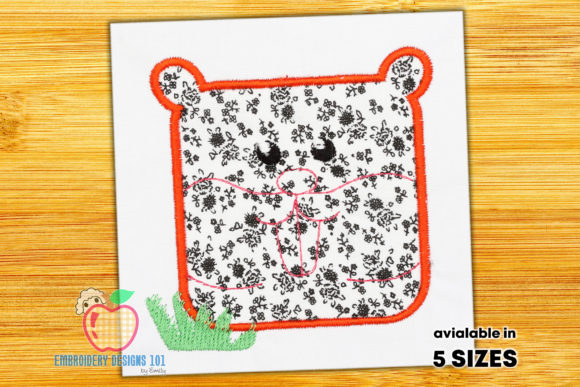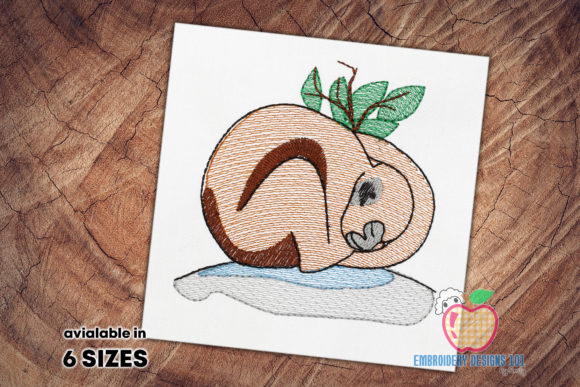
Cute Squirrel Monkey Sleeping
First Impression: Soft Whimsy with Wild Charm
As an embroidery designer who’s prepped over 200 craft fair booths, my first thought on seeing Cute Squirrel Monkey Sleeping is: this isn’t just another animal motif—it’s a mood. It lands squarely in the “soft whimsy” category: gentle enough for tea towels and baby gifts, wild enough to stand out among generic florals and cats. The title alone hints at storytelling—sleeping implies stillness, vulnerability, and quiet joy. That resonates deeply with handmade shoppers who seek emotional connection, not just decoration. It feels modern but warm—not overly cartoonish, not too realistic—and its “surrounded by nature” framing (per the description) suggests built-in versatility for botanical borders or organic negative space.
Where It Shines: Craft Fair & Handmade Market Realities
In a crowded booth full of embroidered totes, aprons, and pillow covers, Cute Squirrel Monkey Sleeping performs best where softness and narrative intersect:
- Tote bags: Works beautifully as a centered 4–5" chest placement—large enough to read from three feet away, small enough to leave room for hand-stitched tags or branded labels.
- Tea towel embroidery: Ideal for bottom-corner placement (3.5–4")—adds charm without competing with functionality. Its “sleeping” pose reads clearly even when folded on a display rack.
- Embroidered patches: A standout product—customers love collectible, story-driven patches. This design translates well to 2.75"–3" rounds or ovals, especially when backed with iron-on or sew-on options.
- Pillow covers & small pouches: At 3–4", it becomes a focal point that elevates perceived value—handmade buyers equate thoughtful animal embroidery with care and craftsmanship.
- Booth samples: One real-life mockup—say, on a linen apron with ecru thread—draws more double-takes than five printed banners. People stop, smile, and ask, “Is that a squirrel monkey?!” That’s engagement you can’t fake.
What Holds It Back (And How to Fix It)
The description notes it uses “a great number of colors and techniques”—that’s both its strength and its caution flag. High color count means richer visual appeal online and in person, but also higher thread-switching time during production. More critically, dense stitch areas may struggle on textured fabrics like terry cloth towels or heavy canvas market bags unless stabilized properly. And while “quick stitch” sounds efficient, don’t assume speed—review the actual stitch density before batching. Tiny facial details (eyes, muzzle texture) could blur on dark fabric or at sub-3" sizes. On curved surfaces like caps, test placement early: the sleeping pose may need slight vertical compression to avoid distortion.
Photography & Online Appeal: Etsy, Social, and Mockups
This design photographs exceptionally well—its gentle contrast, organic lines, and expressive pose translate cleanly to digital. For Etsy sellers, pair it with natural-light flat lays: a linen tea towel draped over a wooden spoon, a patch pinned to a denim jacket sleeve, or a pillow cover beside a potted fern. Use a printable mockup with soft shadows and neutral backgrounds—it avoids looking “clip-art.” Avoid over-editing; handmade buyers trust authenticity over polish. Because it’s part of the Wild Animals category, it stands out algorithmically against saturated pet-themed listings—think “squirrel monkey” vs. “dog” or “cat.” That specificity helps niche visibility.
Production Practicality: From File to Finished Product
Before cutting into your best fabric, run these checks:
- Test Cute Squirrel Monkey Sleeping on scrap fabric matching your final product (e.g., unbleached cotton for tea towels, twill for patches).
- Verify thread contrast—especially for eyes and fur texture—on light and dark substrates.
- Review spacing between elements: does the nature framing leave breathing room around the monkey? Tight crowding hurts readability at smaller sizes.
- Confirm hoop size compatibility—if it requires a 6x10 hoop but your machine maxes at 5x7, adjust or skip.
- Inspect stitch density: high-density fills may pucker thin fabrics or require cutaway stabilizer instead of tear-away.
- Use the right stabilizer—especially for stretchy knits or textured towels. A lightweight cutaway often saves more time than re-hooping.
- Create at least one real mockup—not digital, not printed—before committing to 50 units.
- Compare fabric colors: cream thread on oatmeal linen reads differently than on ivory cotton. Swatch first.
- Confirm commercial licensing status—Cute Squirrel Monkey Sleeping is a digital embroidery file, and many designers restrict resale of finished products unless explicitly permitted.
Why It Builds Your Brand—Not Just Your Inventory
For small shop owners and creative entrepreneurs, Cute Squirrel Monkey Sleeping isn’t just another Embroidery design—it’s a brand signal. It says you curate pieces with personality, not just patterns. It strengthens booth display cohesion when paired with other nature-adjacent designs (think fern motifs or wood grain textures). It boosts perceived handmade quality because customers recognize effort in layered stitching and intentional color use. And most importantly, it invites conversation—“What kind of monkey is that?” opens the door to storytelling about conservation, travel, or childhood memories. That human connection turns browsers into buyers and buyers into repeat customers.
Final Verdict: A Thoughtful, Sellable Wild Animal Design
Cute Squirrel Monkey Sleeping earns its place in your craft fair lineup—not because it’s trendy, but because it balances approachability and artistry. It works across product types, scales well for batch production, and carries quiet emotional weight that handmade shoppers respond to instinctively. Yes, it demands attention to stabilizer choice, thread contrast, and commercial rights—but those are manageable steps, not roadblocks. In a sea of generic florals and overused phrases, this machine embroidery design offers something rare: gentle wildness, stitched with intention. For Etsy sellers, boutique makers, and embroidery business owners alike, it’s not just another craft fair product. It’s a quietly confident statement—and that’s exactly what sells.