Red Bandana Skull – A Designer’s Hands‑On Review
When you open a new machine embroidery design file, the first few seconds tell you a lot. You see the shapes, you feel the balance, and you start imagining it on a finished product. That is exactly what happened when I loaded Red Bandana Skull into my software. I am an experienced designer and have reviewed hundreds of embroidery files over the years, and this one immediately felt different. It has weight, personality, and a clear sense of what it wants to be. But the real question is how it performs under the needle, how customers respond to it, and whether it earns a spot in your craft business or Etsy shop. I have spent time testing this design on several projects, and here is my honest evaluation.
First Look – Mood, Shape, and Visual Personality
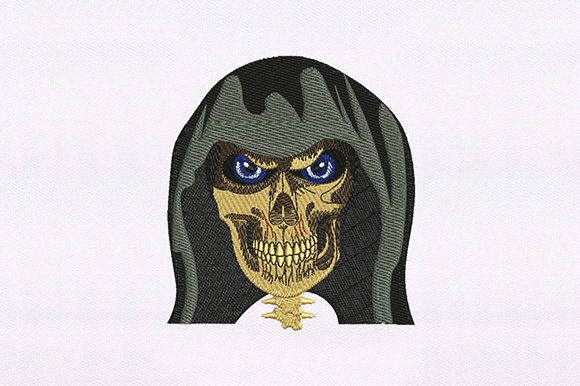
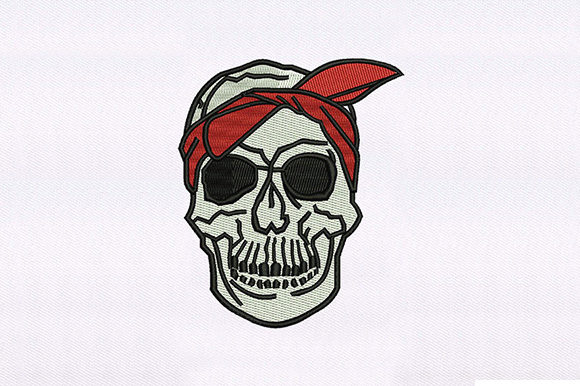
Red Bandana Skull carries a bold, slightly gritty mood without leaning into cartoon territory. The skull shape is recognizable but stylized with a bandana motif that adds texture and attitude. The layout feels balanced, with enough detail to catch the eye but not so much that it overwhelms a small hoop. This is the kind of design that works well for Halloween embroidery, but honestly, it fits year‑round for anyone who likes edgy, western, or rock‑inspired style. The visual personality lands somewhere between classic Day of the Dead aesthetics and modern streetwear. It is not cutesy, not overly aggressive, and not trying to be elegant. It just feels authentic.
The bandana pattern gives the skull a unique layered look. The fill stitches and satin stitch sections work together to create depth, and the running stitch outlines help define the shape clearly. When I first saw it, I immediately thought of custom apparel for small shop owners who want something that stands out without screaming for attention. It also works as a design asset for digital product sellers who create printable mockups or embroidery bundles. The theme is strong enough to carry a product category but flexible enough to pair with other elements.
Real Project Testing – From Tote Bags to Sweatshirts
To give a realistic assessment, I stitched Red Bandana Skull onto three different products: a medium‑weight canvas tote bag, a cotton sweatshirt, and a structured cap. The tote bag was the most straightforward. The design sat well on the flat surface, and the stitch density felt appropriate for the fabric. I used a medium weight cutaway stabilizer and the design held its shape without puckering. The bandana detail came through clearly, and the skull outline stayed crisp. For an Etsy seller making personalized gifts or boutique merchandise, this would be a reliable option.
On the sweatshirt, the design behaved differently. The fabric had more stretch, so I added a layer of tear‑away stabilizer on top of the cutaway. The results were solid, but I noticed that the denser stitch areas pulled slightly on the knit. Nothing drastic, but worth noting if you are selling finished products to customers who expect perfect flatness. I would recommend testing on a scrap piece first, especially if you are using a stretchy or textured fabric. The design also worked well as an embroidered patch. I stitched it onto felt with a satin stitch border and it looked clean enough to sell as a standalone item.
The cap was the most challenging. Curved surfaces always test a design’s flexibility. Red Bandana Skull handled it reasonably well, but the bandana section required careful hooping. If you plan to use this design for hat embroidery, I suggest using a small hoop and a floating method with extra stabilizer. The design is not overly large, which helps, but the detail level means you cannot rush the setup.
Where to Use This Design – And Where to Be Careful
Red Bandana Skull fits a wide range of products, but not every application is ideal. Let me break it down based on my experience.
Best uses: Custom apparel like t‑shirts, sweatshirts, and jackets. Tote bags, aprons, and pillow covers also work well because the design has enough presence to stand alone. Baby embroidery is probably not the right fit here, but holiday embroidery for Halloween is a natural match. Small shop products like patches, caps, and boutique branding items benefit from the design’s recognizable shape. If you sell digital products, this design works in mockups for both light and dark backgrounds. The bandana detail shows up nicely on medium‑tone fabrics, but it also pops on black or dark gray if you choose the right thread colors.
Use carefully with: Very thin fabric, like lightweight t‑shirts or delicate linens. The stitch density can cause show‑through on thin materials. Stretchy fabrics also require extra stabilizer. Dark fabrics are fine, but you need to check thread contrast. The design has some fine lines that could get lost on very dark backgrounds if you use dark thread. I tested it on black fabric with white and red thread and the result was strong, but you want to avoid muddy contrasts. Curved surfaces like caps and small hoops require attention to detail. Tiny details in the bandana section may not stitch cleanly at very small sizes, so check your hoop size before committing.
Products that get frequent washing: If you are making kitchen towels, blankets, or anything that goes through the laundry often, test the design first. The satin stitch areas are durable, but the running stitch details may wear faster. Use a high‑quality stabilizer and consider a cover stitch or backing to protect the threads.
Visual Appeal, Product Value, and Customer Trust
The moment a customer sees an embroidered product, they make a fast judgment about quality. Red Bandana Skull elevates that first impression. The design looks intentional, not generic. For a handmade product or personalized gift, that sense of intention builds trust. Buyers are more likely to share a product that feels designed, not just decorated. If you run a craft business or sell on Etsy, every detail matters. This design supports a consistent brand voice if you are building a cohesive product line.
I also tested it on a printable mockup to see how it translates for digital product sellers. The design assets are clean, and the bandana texture reads well in a flat preview. That matters if you sell mockups or design bundles. Customers want to see exactly what they are getting, and Red Bandana Skull presents well in both stitched and digital form.
Professionalism is another layer. When a product looks well‑made, customers trust that the seller cares about the details. This design is not a cheap clip art shape. It has real thought in the structure, and that shows in the finished product. Whether you are making a custom sweatshirt for a client or stocking a small shop shelf, this design helps you present yourself as someone who takes their work seriously.
Practical Notes Every Designer Should Consider
Before you buy or use Red Bandana Skull, here are the practical things I always check. First, test the design on scrap fabric that matches your final product. Do not skip this step, especially with a design that has both fill and satin stitch sections. Second, review the thread colors. The design relies on good contrast between the skull, the bandana, and the background. I used a white skull with red bandana accents on a medium gray fabric and the result was balanced. On dark fabric, consider a lighter thread for the skull and a contrasting color for the bandana.
Check the stitch density before you commit to a large production run. High density is fine for structured fabrics, but it can distort softer materials. I noticed that the bandana area has a tighter stitch pattern, so I adjusted my stabilizer accordingly. Also confirm your hoop size. The design file should fit standard hoops, but always measure. I also recommend testing the design in a black and white mockup to see how the shapes read without color distraction. That helps you catch any areas where the design may feel cluttered.
Embroidery file formats included: 10O, ART, CND, DSB, DST, DSZ, EXP, HUS, JEF, PCS, PEC, PES, TAP, VIP, VP3, XXX. That covers most major machines, but double‑check your machine compatibility before purchasing. If you are a digital product seller, make sure the license allows commercial use. I always advise checking the licensing terms before selling finished items or digital files. That protects your craft business and your reputation.
For apparel decorators and small shop owners, I suggest testing the design on both light and dark fabric backgrounds. The shape holds up well on both, but the thread choice matters more on dark fabric. Use a stabilizer that matches the fabric weight and make sure your needle is sharp. Dull needles can cause skipped stitches in the dense bandana area.
Final Thoughts on Red Bandana Skull
After testing Red Bandana Skull on multiple products and fabric types, I can say this is a solid machine embroidery design for anyone who wants a bold, recognizable look. It is not a beginner‑friendly design if you are stitching on tricky surfaces, but for an experienced designer or a small business owner who knows their machine, it delivers. The mood is strong, the detail is clean, and the product value is real. Whether you are making custom apparel, embroidered patches, tote bags, or digital mockups, this design has a place in your workflow. I would use it again, and I would recommend it to other designers who want something that stands out without feeling forced.