Playing Maple Leaf: A Designer’s Review for Personalized Gifts
Every embroidery designer knows the feeling of opening a new machine embroidery design file and instantly imagining the finished product possibilities. When I first loaded Playing Maple Leaf into my digitizing software, I felt that familiar spark of creative excitement. This design sits at a delightful intersection of seasonal charm and everyday warmth. As someone who tests hundreds of embroidery files each year for a small personalized gift shop, I want to share my honest review of how this design performs in real production and why it deserves a place in your digital embroidery library.
First Impressions: Mood, Charm, and Detail Level
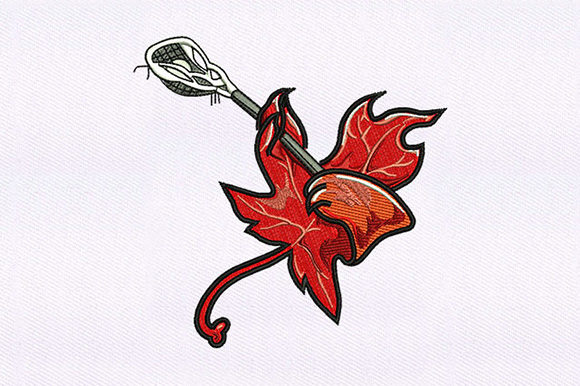
Playing Maple Leaf has a gentle, whimsical quality that immediately caught my eye. The leaf shape feels soft and organic rather than stiff or overly geometric, which gives it a handmade, sweet appeal. The stitch detail suggests careful digitizing with varying texture that adds depth without making the design feel heavy. In terms of emotional resonance, this design leans romantic and nostalgic, perfect for gifts that celebrate family, nature, or cozy home moments. It is not overly seasonal in a limiting way, but it carries a subtle autumn warmth that also reads beautifully on spring and summer projects when stitched in fresh thread colors. The overall vibe is classic with a modern touch, making it versatile for baby embroidery, wedding keepsakes, and everyday custom embroidery pieces.
With approximately 19,276 stitches sitting within a 5×5 inch hoop size, the design measures 4.84 inches wide by 4.83 inches tall. This is a sweet spot for many popular gift blanks, from burp cloths to pillow covers. The stitch count is substantial enough to deliver crisp detail but not so dense that it becomes stiff or difficult to stitch on softer fabrics. For any embroidery file, that balance is critical when you are planning a personalized gift that needs to feel luxurious and durable.
Using Playing Maple Leaf Across Gift Categories
Playing Maple Leaf adapts beautifully to a wide range of handmade products. Here is how I envision it working in a real personalized gift shop setting:
- Baby embroidery and nursery decor: Stitched in soft pastels, this design adds a gentle touch to receiving blankets, baby bibs, and wall hangings. The leaf motif feels nurturing without being babyish, which parents love for keepsakes that grow with the child.
- Wedding gifts and anniversary keepsakes: Using metallic or satin thread colors elevates the design into something elegant. I can picture it on a linen pillow cover, a custom tote bag for the bridal party, or a towel set for the new home. Its romantic feel pairs well with personalized monograms.
- Kitchen and home textiles: Given the product category of Cleaning, Playing Maple Leaf works wonderfully on embroidered towels, apron fronts, and dish cloths. The design size fits comfortably on a flour sack towel or a half-apron panel. Stitched in bright or neutral thread colors, it becomes a charming accent that still allows the fabric to remain functional and washable.
- Pillow covers and home decor: The 4.84 by 4.83 inch dimensions are nearly square, which works perfectly centered on a throw pillow, cushion cover, or quilt block. For craft fair products, this design offers high perceived value with moderate stitch time.
- Personalized bags and accessories: Tote bags, drawstring pouches, and even canvas zipper pouches benefit from the design’s balanced proportions. It leaves enough negative space for personalization or pairing with small lettering.
For Etsy sellers, Playing Maple Leaf opens up multiple listing possibilities. You can offer the design as a digital embroidery file for other makers, or use it to create finished products with varying thread color combinations. Printable mockups featuring this design on towels, blankets, and bags help customers visualize the final item, which drives buyer engagement and trust.
Where to Use Careful Placement
No design is perfect for every surface, and Playing Maple Leaf requires thoughtful placement on certain products. Here is what I have learned from sample stitching:
- Small lettering additions: If you plan to add a name or date below or beside the leaf, keep your lettering at least a quarter inch away from the main design. The leaf has delicate interior details that can visually compete with tiny fonts. I recommend testing your embroidery file with the personalized text before stitching a final product.
- Textured fabric: On thick towels, terry cloth, or fleece blankets, the stitch density may cause some sinking. Use a medium-weight cutaway stabilizer and consider a water-soluble topper to keep the leaf details crisp. I always test on a scrap towel before committing to a customer order.
- Stretchy baby clothes: Onesies and stretchy knits require extra care. The design’s 19,276 stitches can pull on unstable fabric. Hoop with a stabilizer designed for knits and reduce stitch tension if your machine allows. Confirm your hoop size accommodates the full design without distortion.
- Curved surfaces: Items like baby bonnets, curved bibs, or rounded bag fronts may cause the hoop to shift. Stick to flat or gently curved blanks for best results. If you must stitch on a curve, use a floating method with temporary adhesive spray.
- Dark fabric: The design uses a moderate number of thread colors, but the open areas of the leaf can show dark fabric underneath. I recommend a white or light bobbin thread and a test stitch on a dark swatch to check for show-through. A layer of cutaway stabilizer in a light color also helps.
- Frequent washing items: Towels, kitchen cloths, and baby blankets see a lot of laundering. Use high-quality polyester thread and a dense but not overly tight stitch density. The design’s stitch count is well-balanced for durability, but always include care instructions with your finished product.
Giftability, Perceived Value, and Customer Trust
Playing Maple Leaf elevates any blank product into something gift-worthy. The design’s natural, heartfelt appeal creates an emotional connection that customers look for when ordering a personalized gift. Whether they are buying a baby shower present, a wedding keepsake, or a housewarming token, this embroidery file communicates thoughtfulness and quality.
For small business owners, perceived value directly affects pricing. A well-stitched Playing Maple Leaf on a quality towel or blanket can command a higher price point because the design looks intricate and premium. Shoppers at craft fairs and on Etsy are willing to pay more for custom embroidery that feels special and unique. The design also photographs beautifully in product listings. I recommend creating at least two mockups, one on a light fabric and one on a medium tone, to show versatility and help customers imagine the design in their own homes.
From a trust perspective, consistent quality builds repeat business. When you stitch Playing Maple Leaf with proper stabilizer and tension, the finished product reflects well on your brand. Customers who receive a beautifully embroidered gift are more likely to leave positive reviews and recommend your shop to others.
Practical Embroidery Notes Before You Sell
Before offering any finished product featuring Playing Maple Leaf, I strongly recommend these practical steps:
- Test on scrap fabric: Always run a test stitch on fabric similar to your final product. Check for thread breaks, tension issues, and any distortion in the leaf shape. Adjust your machine settings as needed.
- Check thread color contrast: The design can be stitched in monochrome or multi-color. Try a light green on a cream towel, a deep burgundy on a natural linen, or a soft gray on a blush blanket. Each combination changes the mood entirely.
- Confirm hoop size: The design requires a 5×5 inch hoop minimum. Ensure your hoop is large enough to accommodate the full design without crowding. If you use a larger hoop, center the design carefully.
- Review stitch density: At nearly 20,000 stitches, the design is moderately dense. On lightweight fabrics, reduce underlay or use a lighter stabilizer. On heavy fabrics, increase stabilizer weight to prevent puckering.
- Use proper stabilizer: For most applications, a medium-weight cutaway stabilizer works best. For towels and terry, add a water-soluble topper. For stretchy knits, use a ballpoint needle and a stabilizer designed for knits.
- Compare light and dark fabric mockups: Stitch the design on both a light and a dark fabric swatch. Note any color show-through or thread color changes needed. This helps you advise customers accurately.
- Check small details after stitching: Inspect the leaf veins and edges closely. If any details are lost, consider increasing contrast or simplifying thread color choices for that fabric type.
- Confirm commercial licensing: Before selling finished products with this embroidery file, verify the license terms. Most machine embroidery design files allow commercial use when stitched on physical items, but you should double-check the specific terms for Playing Maple Leaf to ensure compliance. When in doubt, contact the designer directly or review the purchase page for licensing details.
Why This Design Belongs in Your Digital Embroidery File Collection
Playing Maple Leaf is more than just a pretty leaf. It is a reliable workhorse for any personalized gift business. Its balanced proportions, emotional warmth, and adaptability across cleaning textiles, baby embroidery, wedding gifts, and home decor make it a smart investment. The stitch count and file formats, including 10O, ART, CND, DSB, DST, DSZ, EXP, HUS, JEF, PCS, PEC, PES, TAP, and VIP, ensure compatibility with most commercial and home embroidery machines.
If you are an Etsy seller, small shop owner, or handmade product creator looking for a design that connects with customers and delivers consistent quality, I recommend adding Playing Maple Leaf to your collection. With proper testing and thoughtful placement, this embroidery file will help you create finished products that feel personal, beautiful, and worth every penny. Whether you are stitching a baby blanket for a first child, a kitchen towel for a new home, or a wedding keepsake that will be treasured for years, this design supports your craft and your business goals.
Happy stitching, and may every leaf you embroider carry a little extra meaning for the person who receives it.